An interdisciplinary team, led by Professor Edmund Lam in the Department of Electrical and Electronic Engineering at the University of Hong Kong (HKU), has developed an innovative solution to address the environmental concern of microplastic pollution.
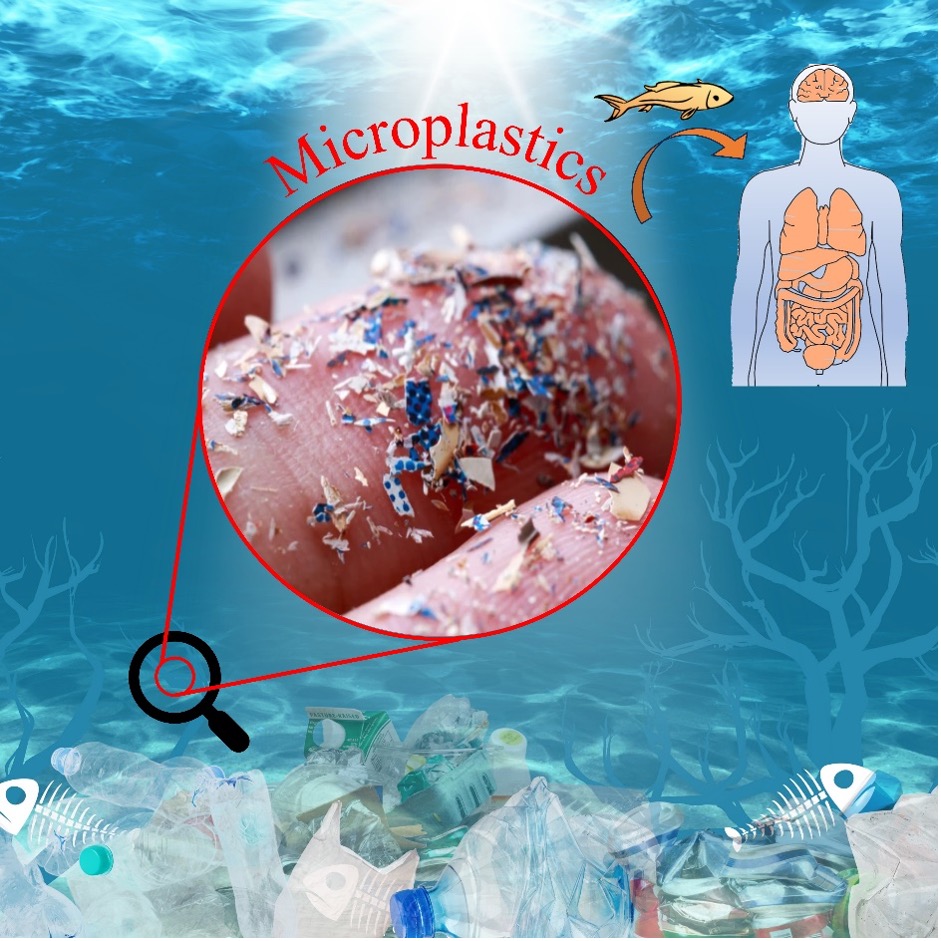

Microplastic pollution is widely distributed in the natural environment, causing harmful effects on wildlife, human health, and ecosystems. To combat the increasing issue of microplastic pollution, Prof. Lam’s team is dedicated to developing effective detection methods using optical and computational technologies, which is funded by the Research Impact Fund of the Research Grants Council of Hong Kong (RIF R7003-21).
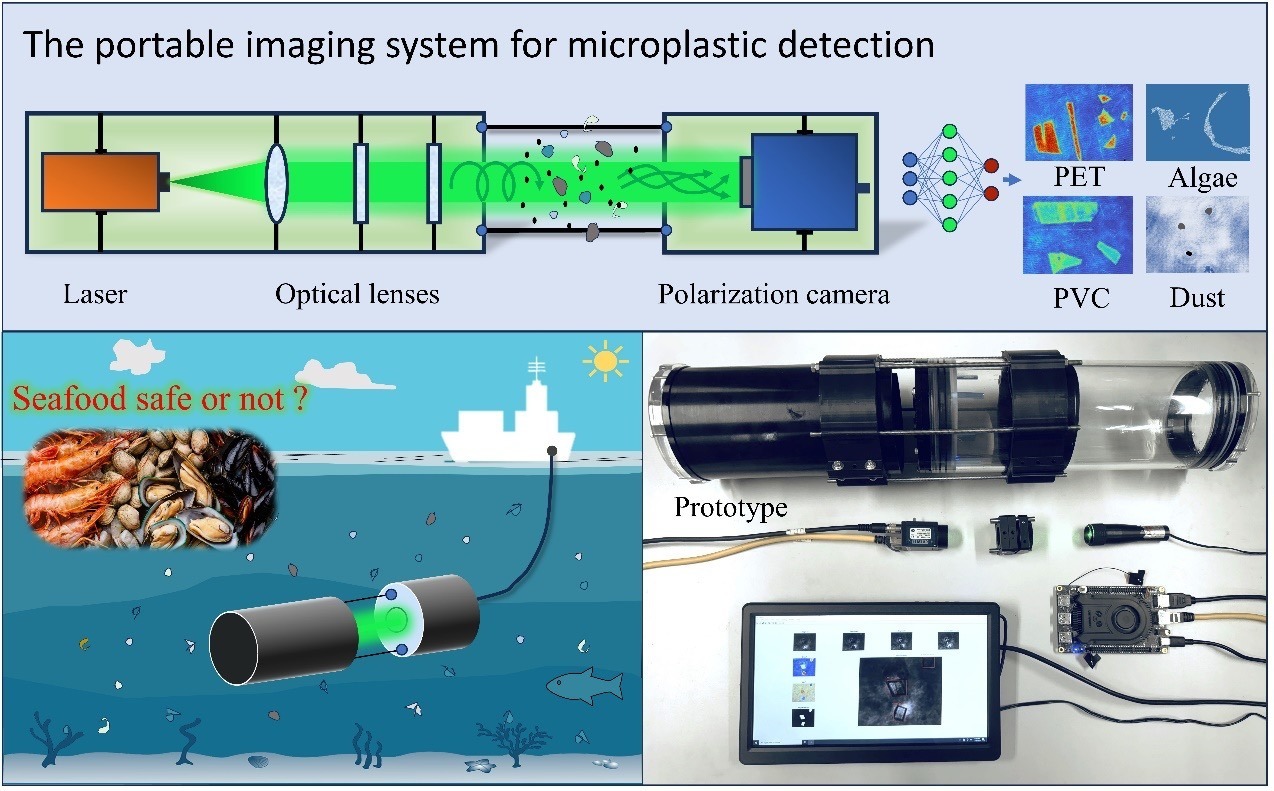
Recently, they have developed a compact, portable and cost-effective imaging system for fieldwork microplastic assessment, which integrates advanced holographic imaging, polarization sensing, and machine learning methods. Researchers can conveniently perform extensive and high-frequency assessments of microplastic pollution, circumventing the need for labor-intensive environmental sampling and laboratory-based analysis.
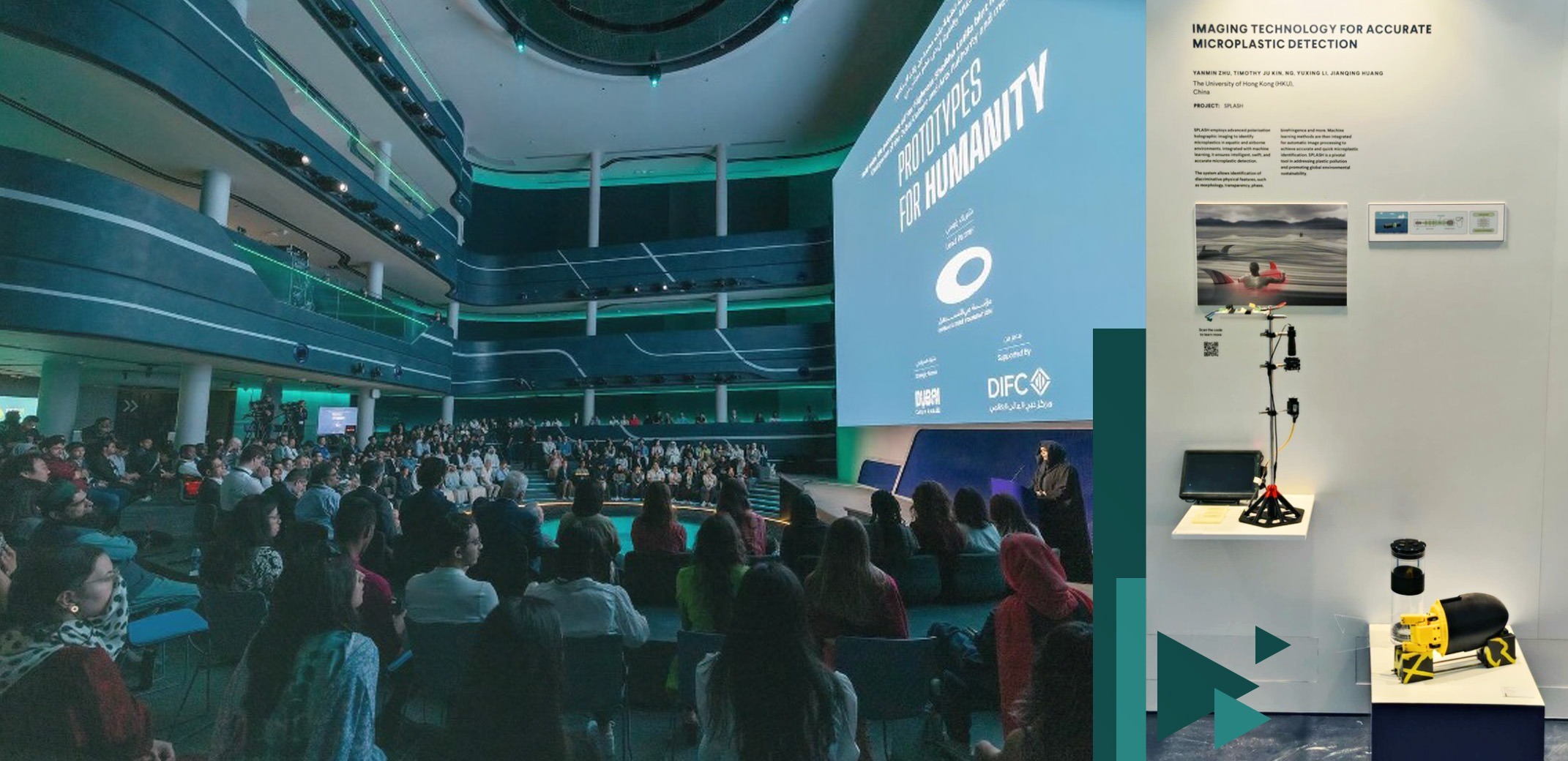
This project has won the Gold medal prize in the International Invention Innovation Competition in Canada (iCAN) in 2023. Additionally, it was selected as one of the top 100 participants in the prestigious “Prototypes for Humanity 2023” event held in Dubai. Their latest breakthrough has been published in three academic journals: ACS Photonics 10(12):4483-4493, 2023; Scientific Reports 14(1):2355, 2024; Communications Engineering 3(1):32, 2024.
For more information, please visit the project website:
Optical and Computational Technologies to Combat Microplastics and Nanoplastics Pollution (hku.hk)