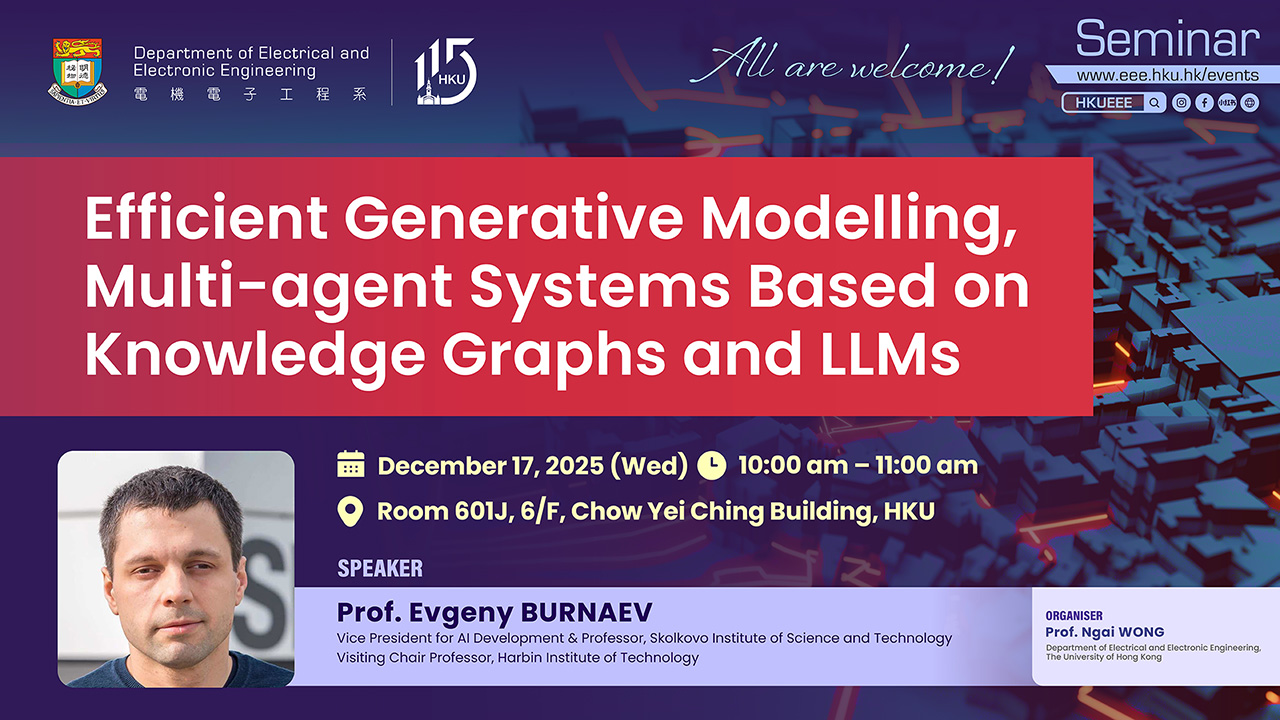
• Seminar on Efficient Generative Modelling, Multi-agent Systems Based on Knowledge Graphs and LLMs

    Room CB-601J, 6/F, Chow Yei Ching Building, The University of Hong Kong

    Abstract I will overview our recent results on diffusion generative modelling and how to make inference faster, just in a few steps; also, I will provide some new concepts of Engineering AI and discuss how we can construct efficient multi-agent systems based on knowledge graphs and LLMs to solve complex engineering problems. Speaker Prof. Evgeny […]
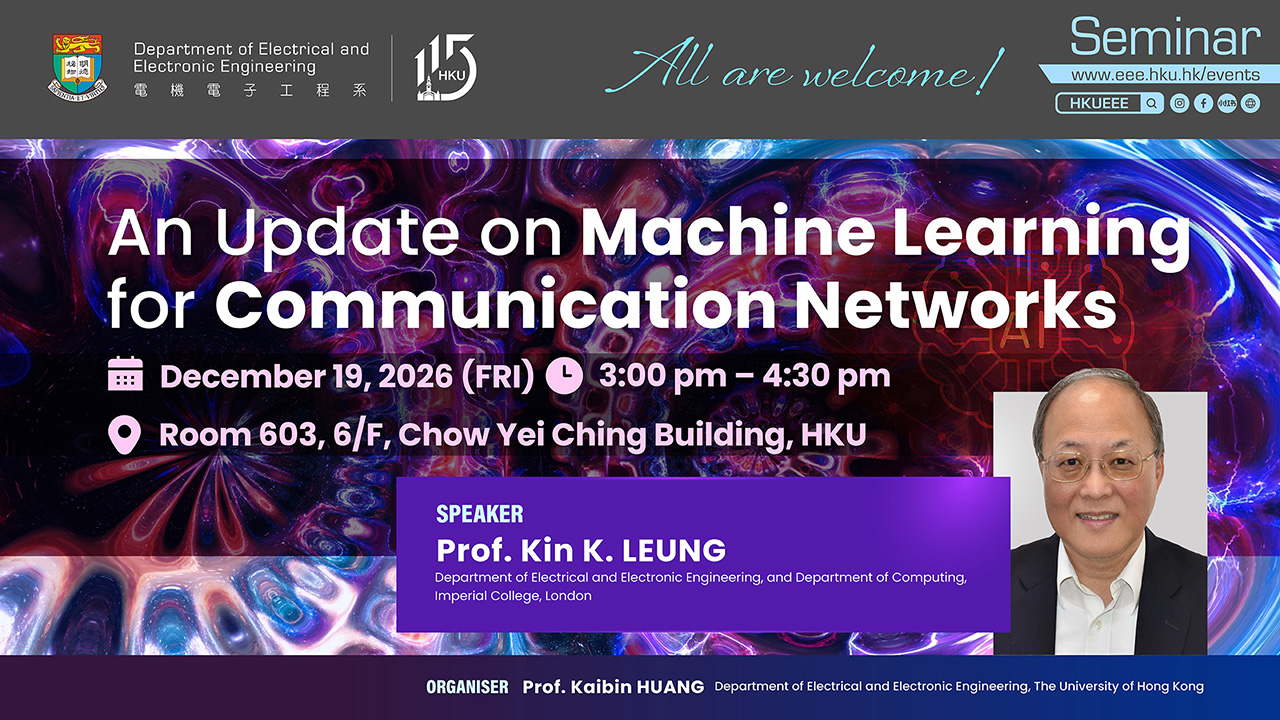
  • Seminar on An Update on Machine Learning for Communication Networks

    Room CB-603, 6/F, Chow Yei Ching Building, The University of Hong Kong

    Abstract The speaker aims to provide an update on recent progress by his research team on machine learning for communication networks. If time permits, he will also highlight his work on distributed quantum computing and quantum machine learning. Efficient allocation of limited resources to competing demands is a crucial issue in the design and management […]

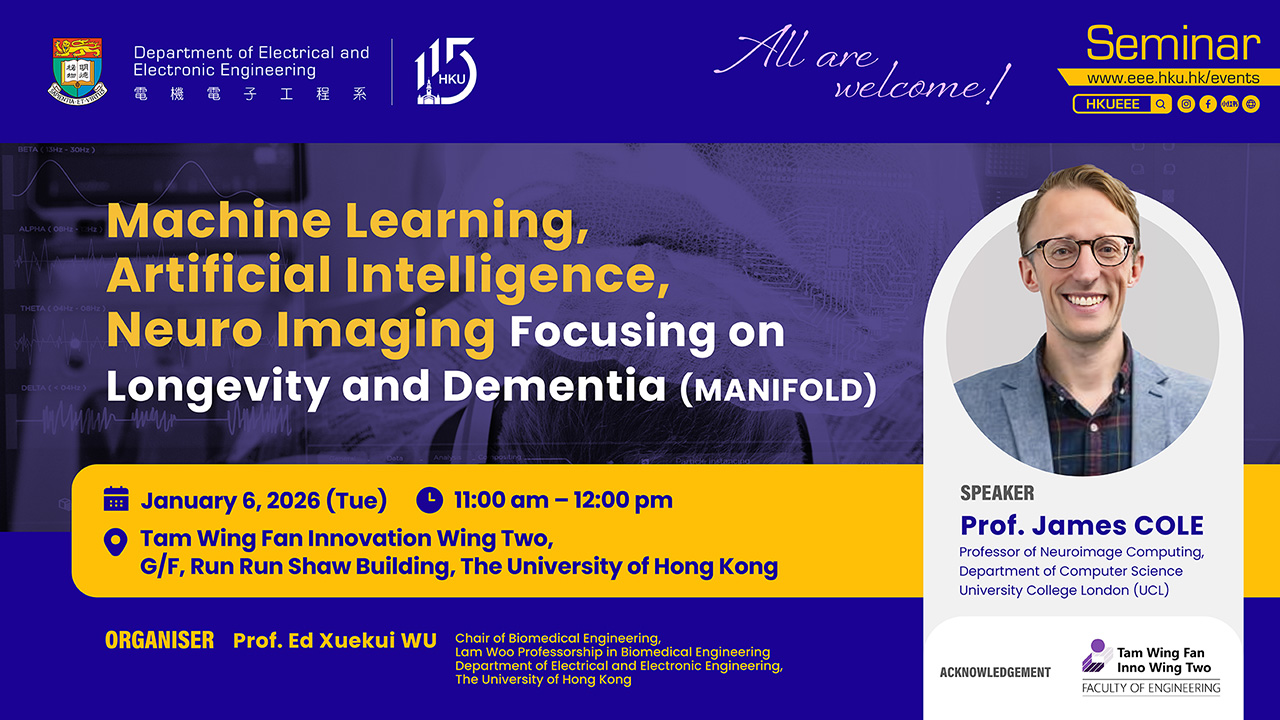
  • Seminar on Machine Learning, Artificial Intelligence, Neuro Imaging Focusing on Longevity and Dementia (MANIFOLD)

    Tam Wing Fan Innovation Wing Two, G/F, Run Run Shaw Building, The University of Hong Kong

    Abstract Brain health is one of the key societal challenges for the 21st century, and much progress has been made in understanding and treating brain health conditions, aided by growing use of neuroimaging. Meanwhile, artificial intelligence and machine learning (AI/ML) technologies have revolutionised many domains, including healthcare. However, there is still a translational gap between […]

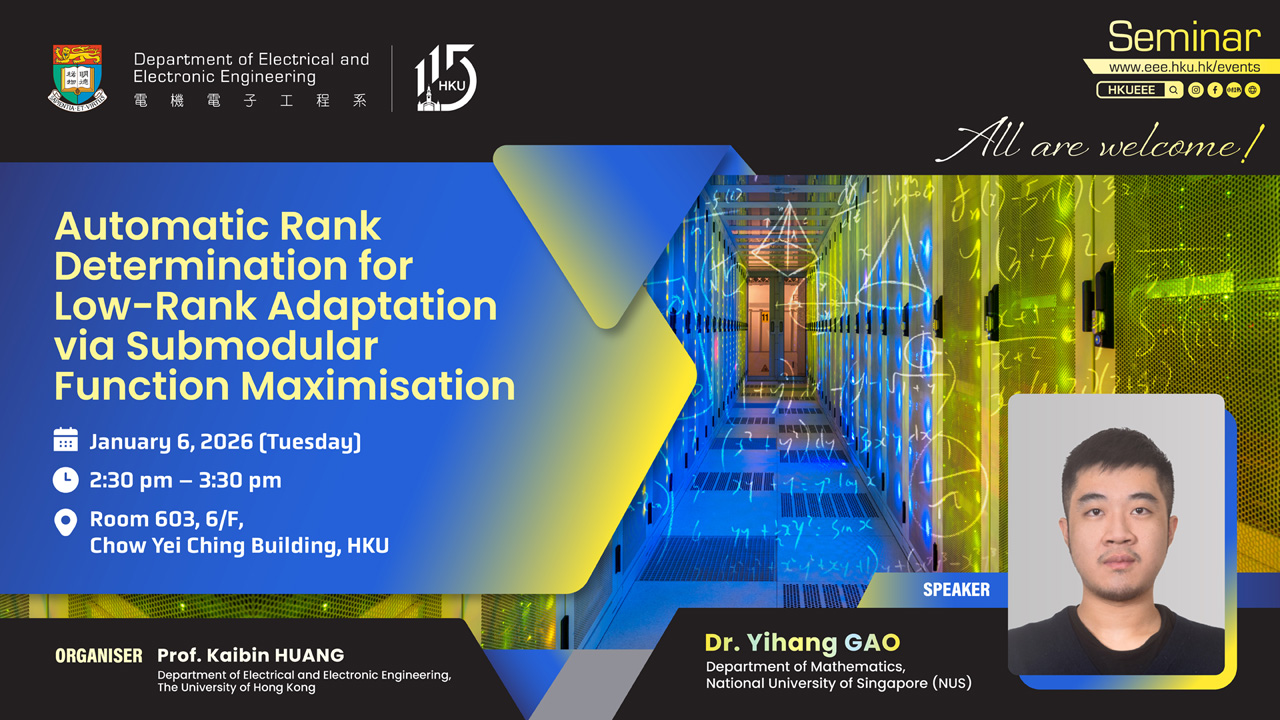
  • Seminar on Automatic Rank Determination for Low-Rank Adaptation via Submodular Function Maximisation

    Room CB-603, 6/F, Chow Yei Ching Building, The University of Hong Kong

    Abstract In this talk, we will introduce SubLoRA, a rank determination method for Low-Rank Adaptation (LoRA) based on submodular function maximisation. In contrast to prior approaches, such as AdaLoRA, that rely on first-order (linearised) approximations of the loss function, SubLoRA utilises second-order information to capture the potentially complex loss landscape by incorporating the Hessian matrix. […]

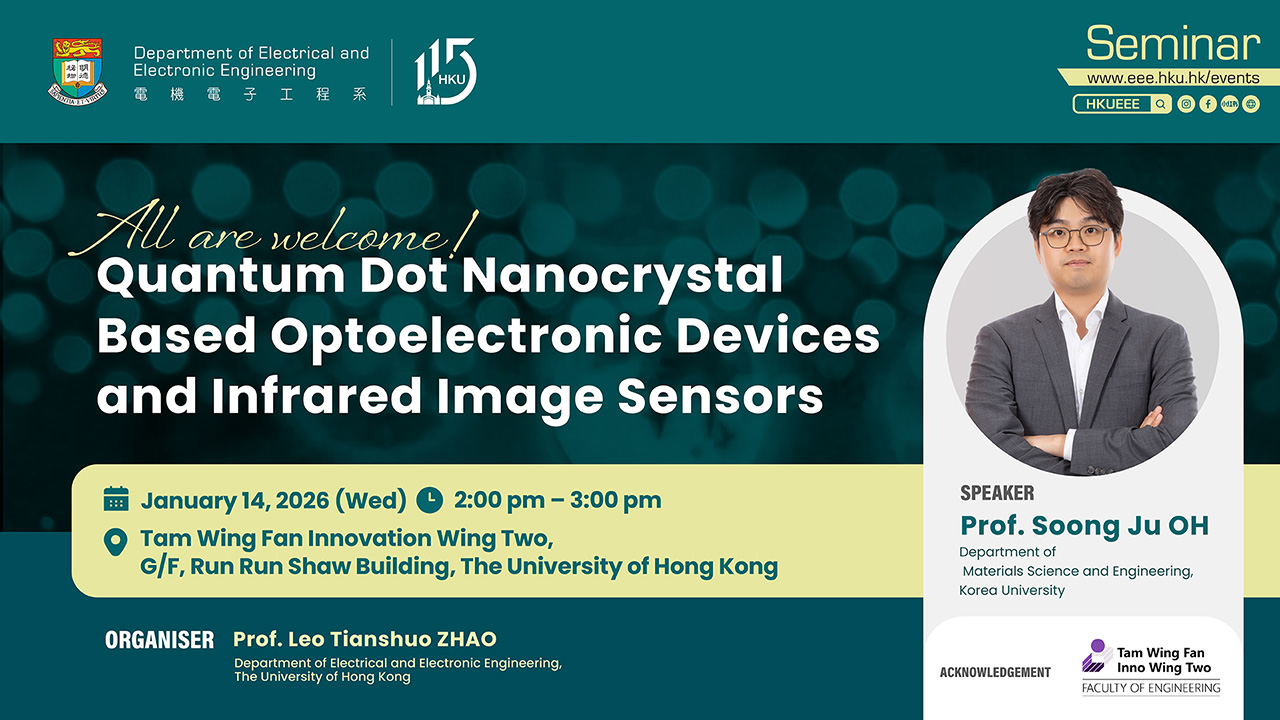
  • Seminar on Quantum Dot Nanocrystal Based Optoelectronic Devices and Infrared Image Sensors

    Tam Wing Fan Innovation Wing Two, G/F, Run Run Shaw Building, The University of Hong Kong

    Abstract Colloidal semiconductor quantum dot nanocrystals (QD NCs) have been shown to be promising materials for electronic and optoelectronic device applications because of their unique size dependent properties and solution processability. We develop a systematic methods to engineer the surface chemistry of quantum dot nanocrystals to control the charge carrier statistics as well as optical […]

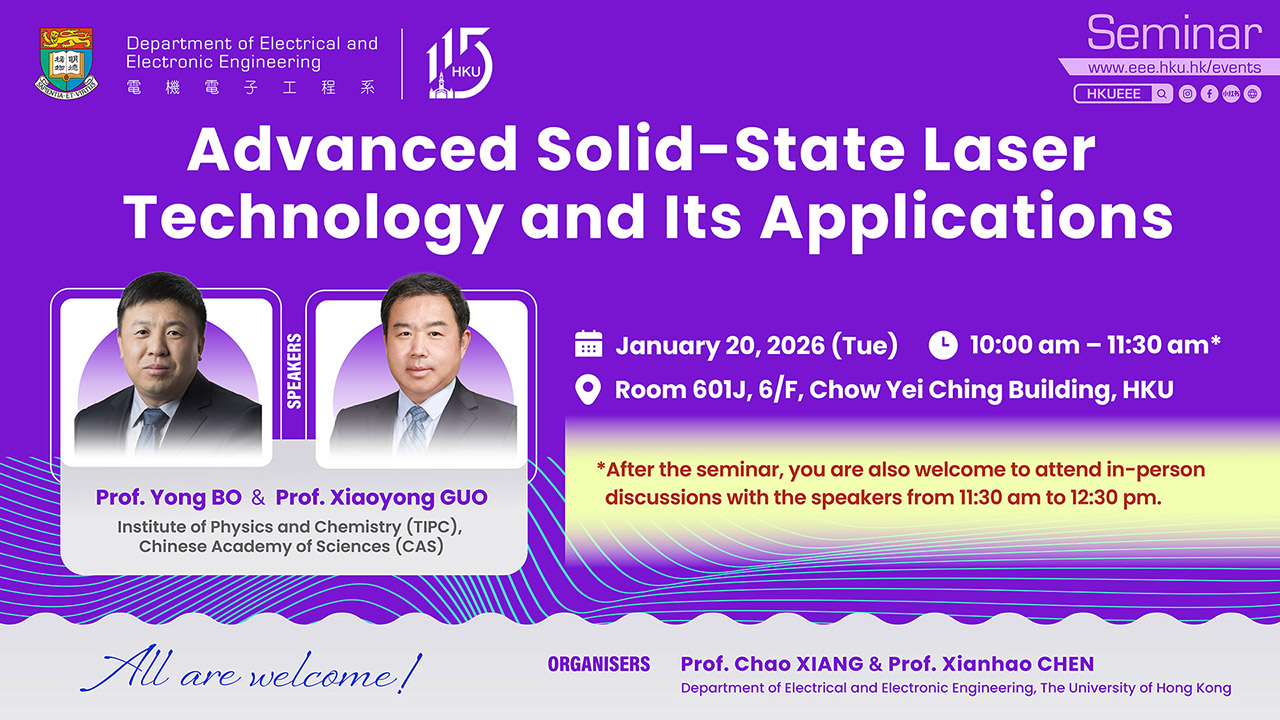
  • Seminar on Advanced Solid-State Laser Technology and Its Applications

    Room CB-601J, 6/F, Chow Yei Ching Building, The University of Hong Kong

    *After the seminar, you are also welcome to attend in-person discussions with the speakers from 11:30 am to 12:30 pm in Room 601J. Abstract Solid-state lasers mean laser systems using solid-state materials as the gain medium, primarily including rod, slab, disc, fiber, and semiconductor lasers. These methods offer advantages such as high output power, excellent […]

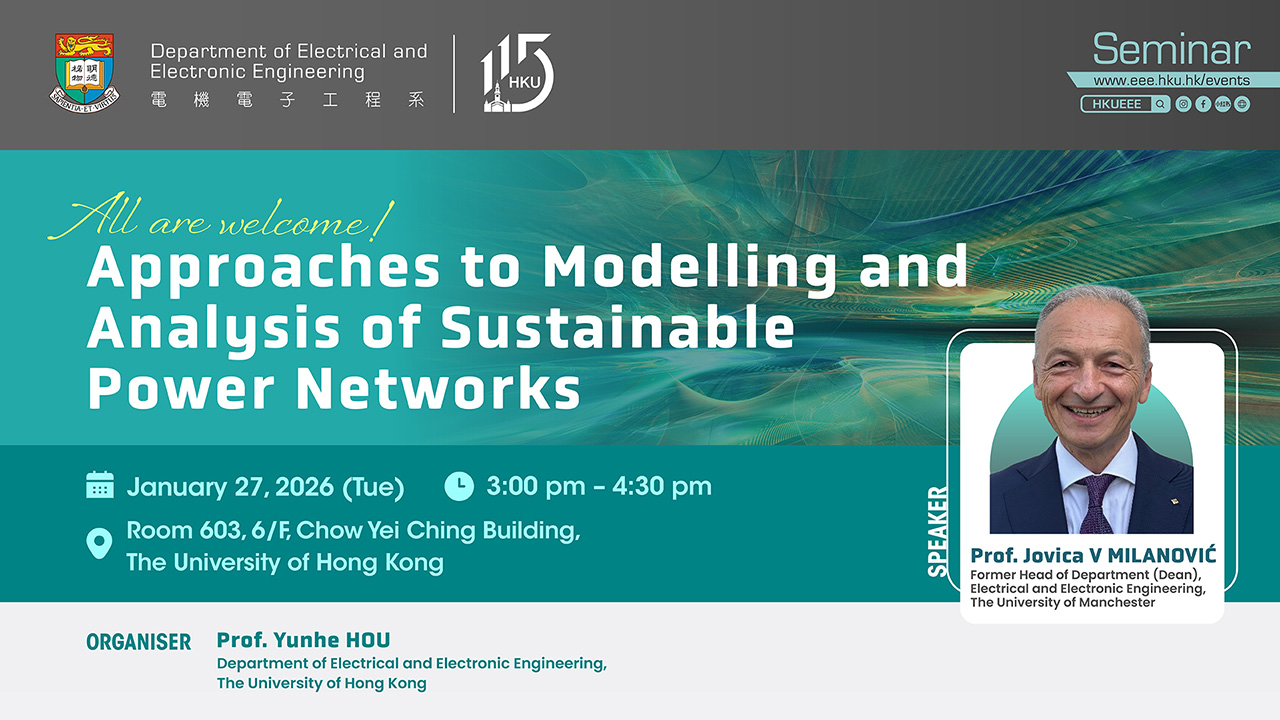
  • Seminar on Approaches to Modelling and Analysis of Sustainable Power Networks

    Room CB-603, 6/F, Chow Yei Ching Building, The University of Hong Kong

    Abstract Due to the evident climate change and environmental pressures the future power/energy systems will have to operate, sooner rather than later, in a net-zero environment. This will manifest in a mix of wide range of electricity generation, storage and demand technologies (increasingly power electronics interfaced); blurred boundaries between transmission and distribution system; significantly higher […]

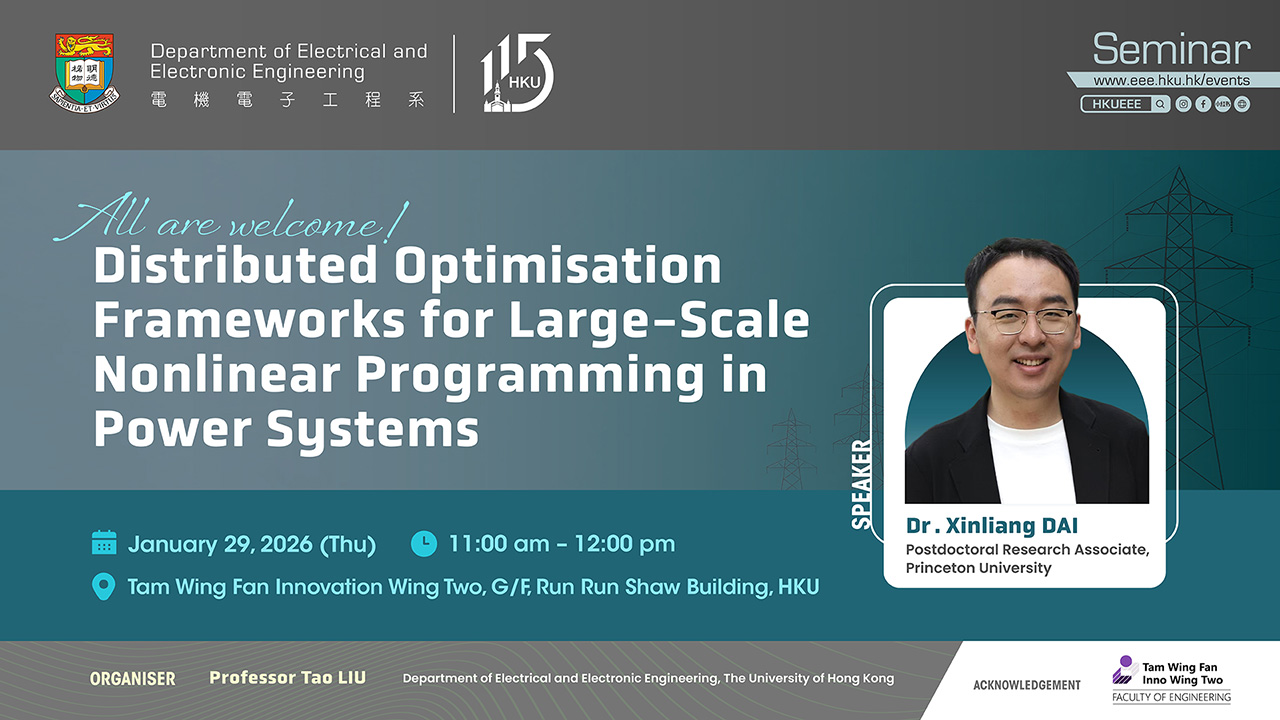
  • Seminar on Distributed Optimisation Frameworks for Large-Scale Nonlinear Programming in Power Systems

    Tam Wing Fan Innovation Wing Two, G/F, Run Run Shaw Building, The University of Hong Kong

    Abstract The ongoing energy transition is challenging centralised power system paradigms by rapidly integrating distributed energy resources (DERs), which introduce significant supply-demand variability. This variability complicates grid management and necessitates enhanced coordination among operators. Centralised data aggregation further exacerbates privacy risks and strains the communication infrastructure as the proliferation of controllable devices increases. To address […]

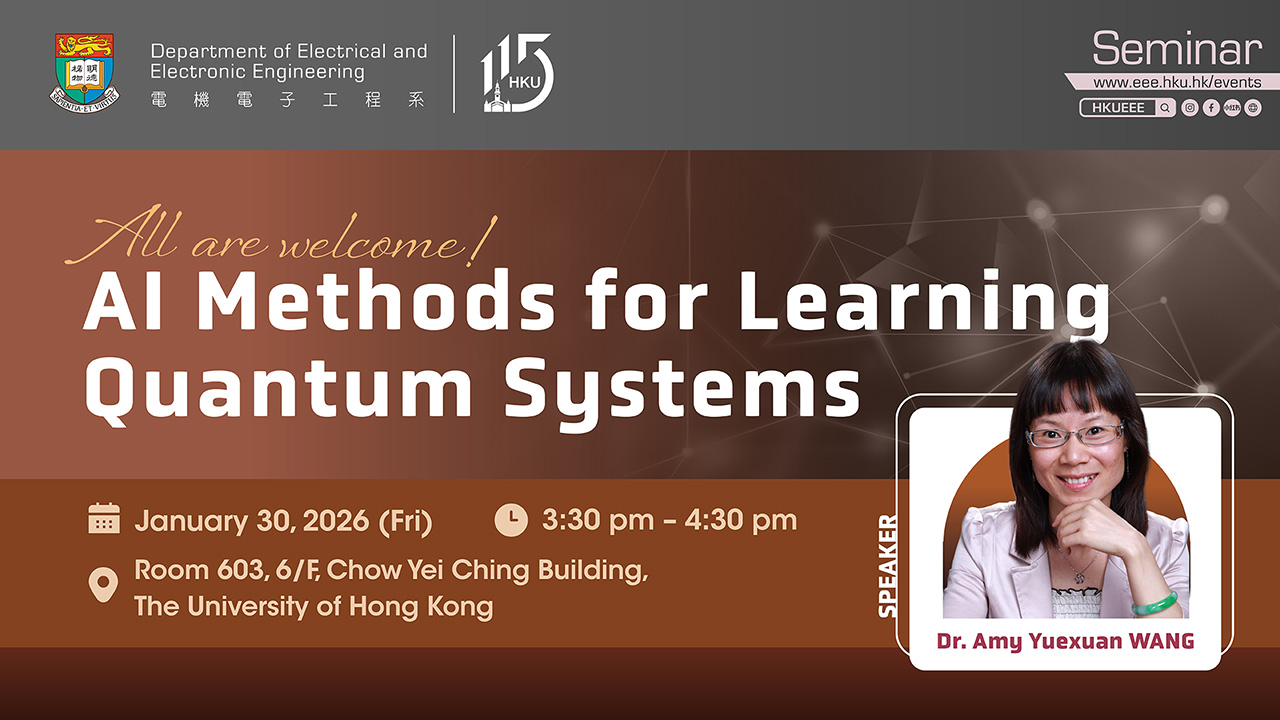
  • Seminar on AI Methods for Learning Quantum Systems

    Room CB-603, 6/F, Chow Yei Ching Building, The University of Hong Kong

    Abstract As quantum technologies redefine the landscape of modern electronics and communication networks, the efficient characterisation and monitoring of complex quantum systems have become essential. In this talk, I will present AI-driven methods to address the challenges in quantum state learning and property characterisation. First, I will introduce the Generative Query Network for Quantum (GQNQ), […]

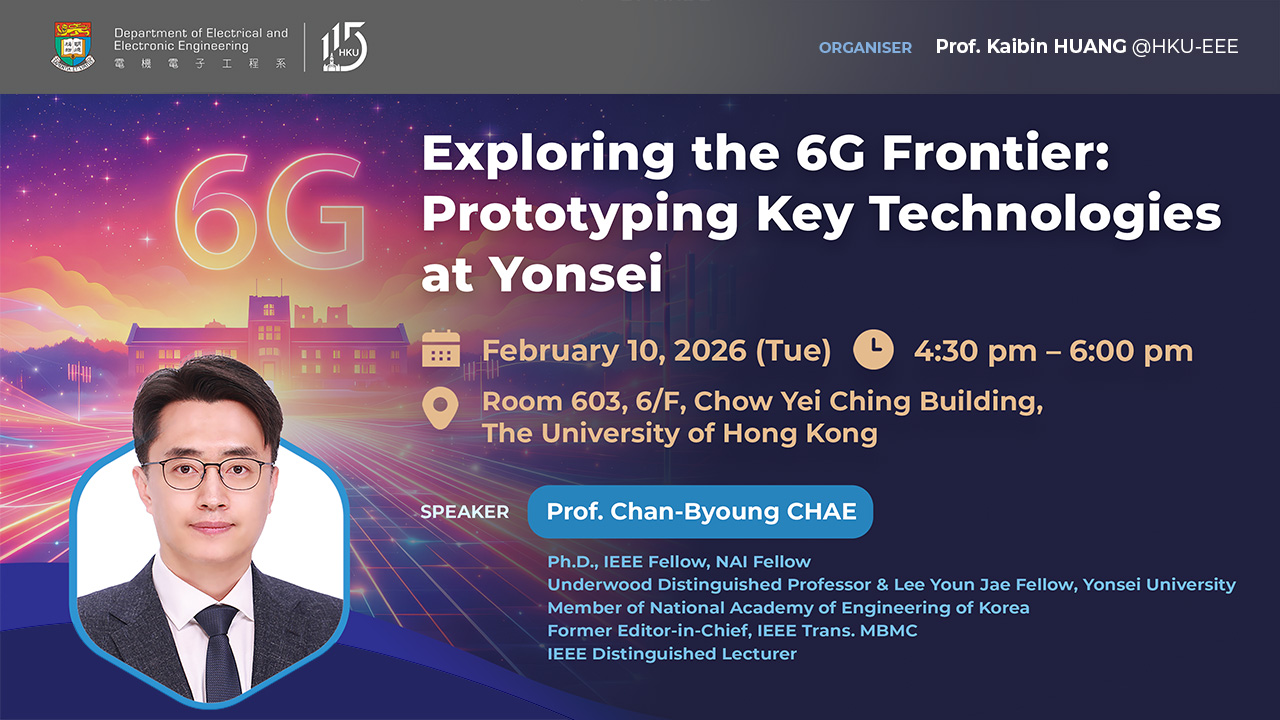
  • Seminar on Exploring the 6G Frontier: Prototyping Key Technologies at Yonsei

    Room CB-603, 6/F, Chow Yei Ching Building, The University of Hong Kong

    Abstract This talk will begin with a brief introduction to Yonsei University and then present an overview of its recent research efforts in 6G and cloud-based wireless prototyping. Since 2011, the Yonsei team has pioneered a range of hardware-oriented research topics, including full-duplex radios, millimeter-wave lens MIMO, wireless VR and haptic communications, reconfigurable intelligent surfaces […]

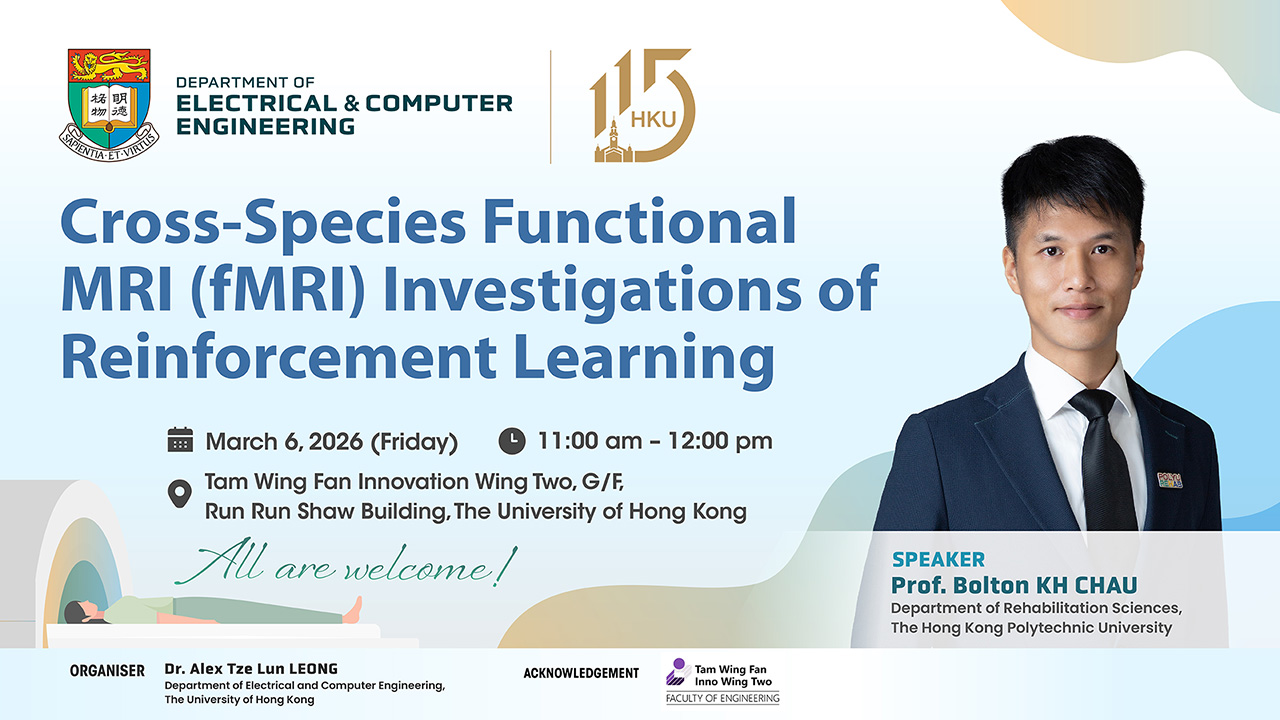
  • Seminar on Cross-Species Functional MRI (fMRI) Investigations of Reinforcement Learning

    Tam Wing Fan Innovation Wing Two, G/F, Run Run Shaw Building, The University of Hong Kong

    Abstract Reinforcement learning in humans depends on distributed neural circuits for value updating and behavioural adaptation. Cross-species comparisons, particularly with macaques, greatly facilitate our understanding of these mechanisms in humans by revealing conserved and evolved elements, but they crucially depend on precise anatomical alignment to identify homologous regions and interpret functional parallels or divergences across […]

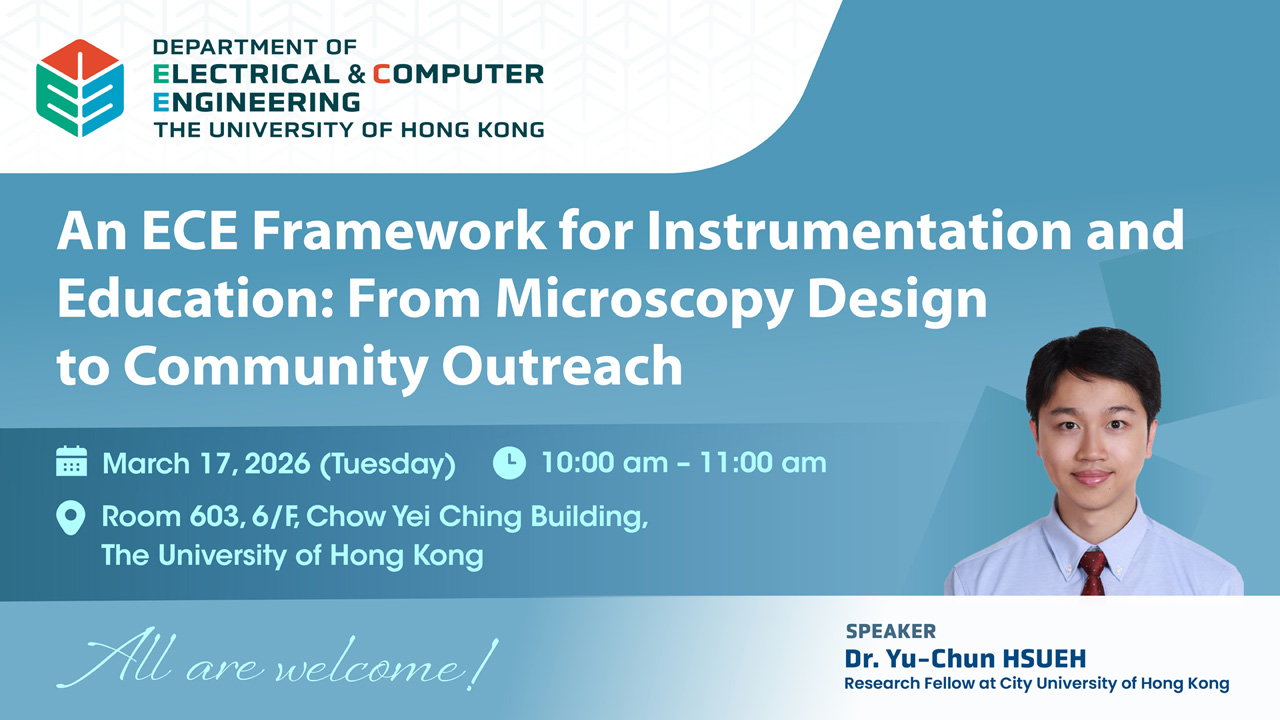
  • Seminar on An ECE Framework for Instrumentation and Education: From Microscopy Design to Community Outreach

    Room CB-603, 6/F, Chow Yei Ching Building, The University of Hong Kong

    Abstract Advanced electron microscopy, characterised by atomic-scale resolution, is a cornerstone for observing material dynamics. The development of these instruments presents complex engineering challenges in electro-optics and system integration. Dr. Hsueh holding a PhD in Electrical and Computer Engineering, leverages his expertise in electromagnetic waves, waveguides, and imaging theory to drive the development of next-generation […]

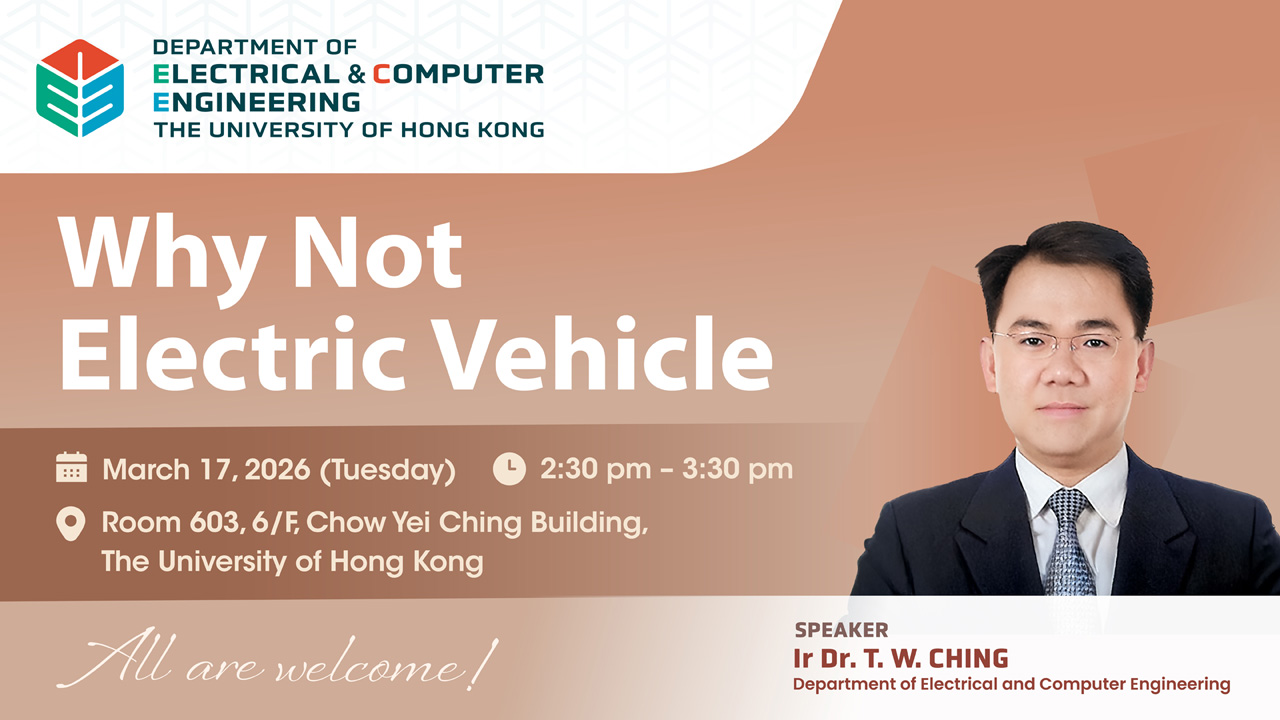
  • Seminar on Why Not Electric Vehicle

    Room CB-603, 6/F, Chow Yei Ching Building, The University of Hong Kong

    Abstract This seminar will review some Electric Vehicle (EV) system concepts and designs, electric machines and drives for EVs, hybrid powertrains for hybrid EVs, EV energy sources and energy management systems, and EV-to-grid technology. Speaker Ir Dr. T. W. CHING Department of Electrical and Computer Engineering Speaker’s Biography Ir Dr. T. W. CHING received the […]

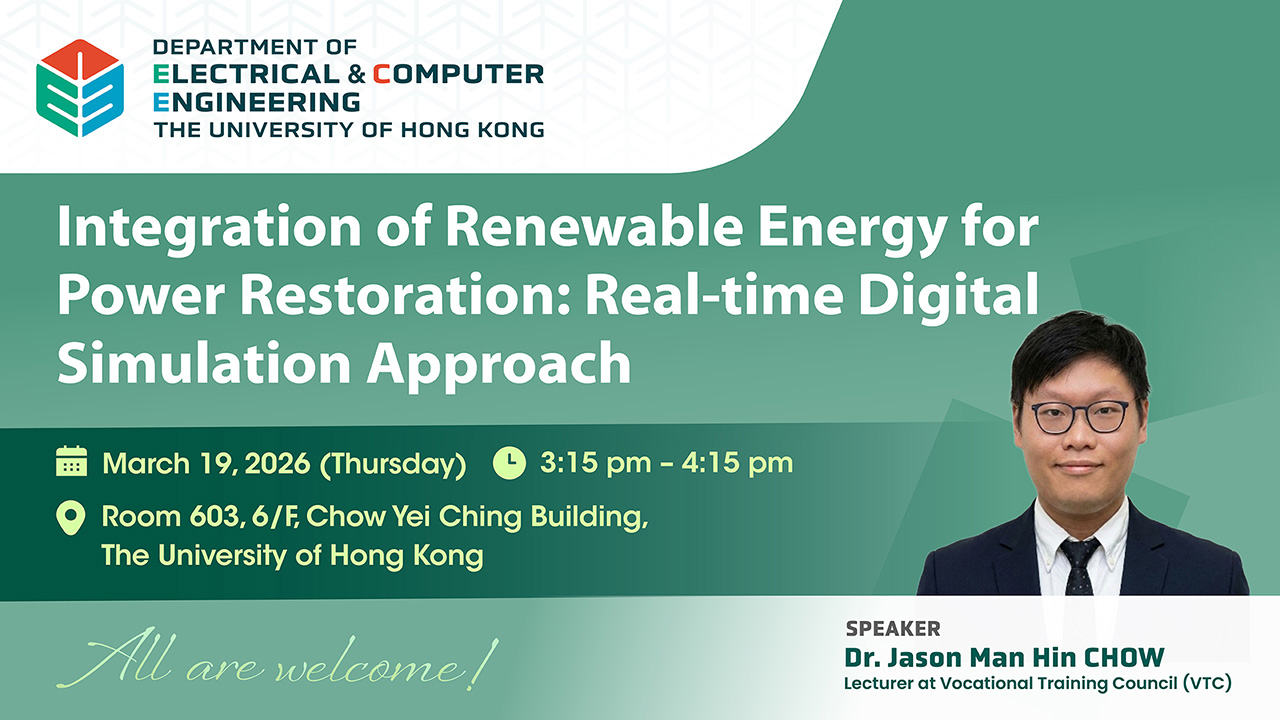
  • Seminar on Integration of Renewable Energy for Power Restoration: Real-time Digital Simulation Approach

    Room CB-603, 6/F, Chow Yei Ching Building, The University of Hong Kong

    Abstract The drive toward aggressive decarbonization goals is rapidly transforming the power grid, highlighted by an increase in renewable energy production. This expansion relies heavily on Distributed Energy Resources (DERs), yet operators face challenges due to the lack of transparency in DER operations. This opacity poses significant risks to grid stability as the growing number […]

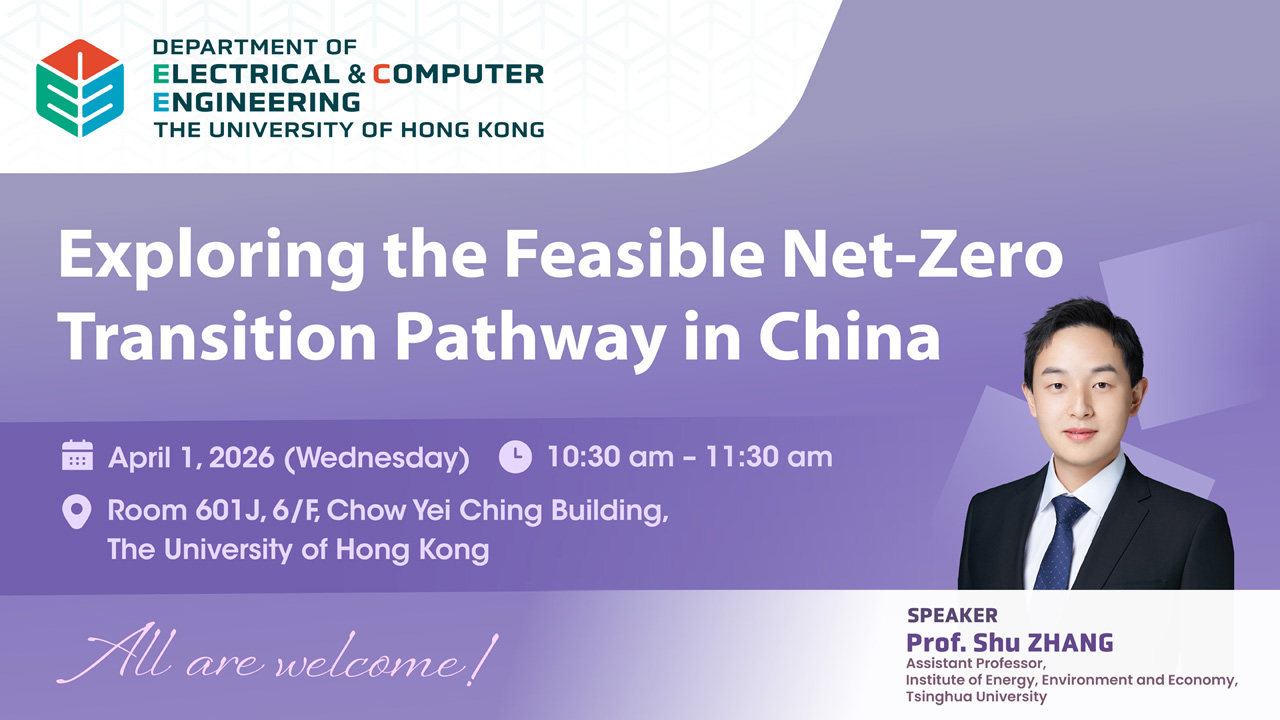
  • Seminar on Exploring the Feasible Net-Zero Transition Pathway in China

    Room CB-601J, 6/F, Chow Yei Ching Building, The University of Hong Kong

    Abstract Net-zero energy transition is projected to accelerate the replacement of fossil fuels with renewables, leaving system flexibility resources increasingly scarce. Here, we present a sub-annual energy-environment-economy model with endogenous hourly energy demand profiles and power balance dynamics, including power dispatch, storage operations and demand-side response that co-optimises supply- and demand-side flexibility, to map feasible […]

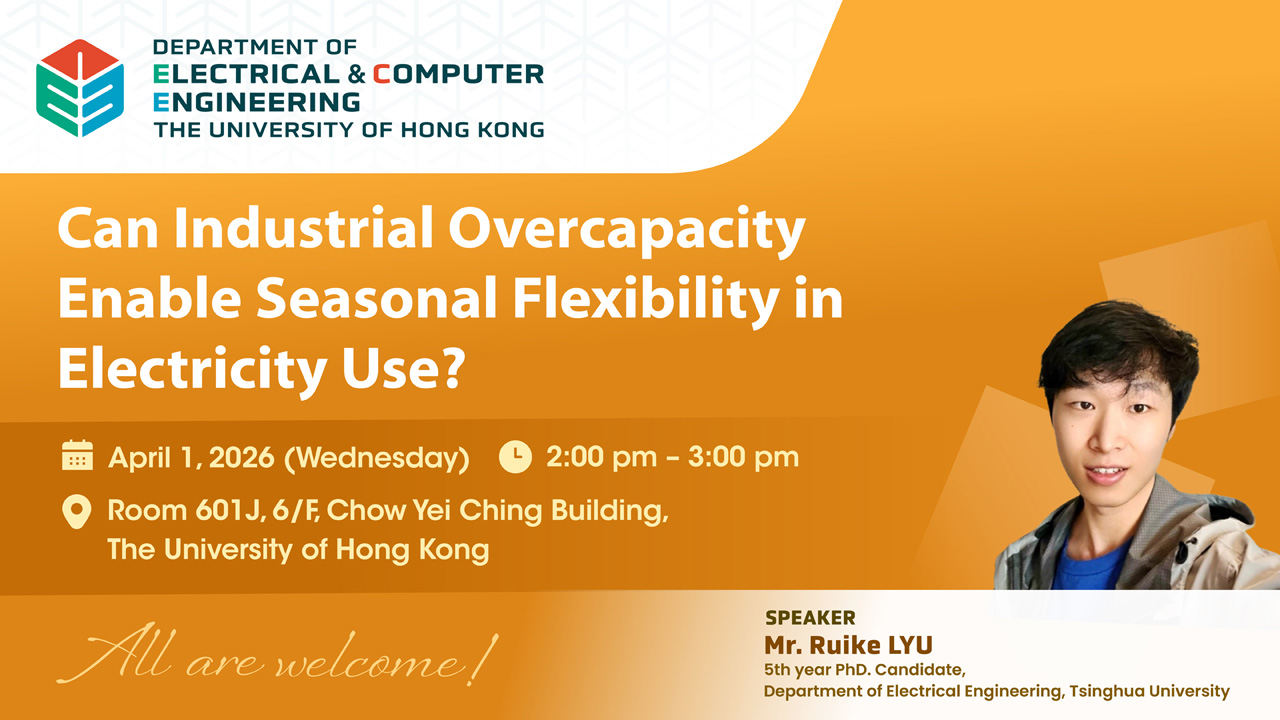
  • Seminar on Can Industrial Overcapacity Enable Seasonal Flexibility in Electricity Use?

    Room CB-601J, 6/F, Chow Yei Ching Building, The University of Hong Kong

    Abstract In many countries, declining demand in energy-intensive industries such as cement, steel, and aluminum is leading to industrial overcapacity. Although industrial overcapacity is traditionally envisioned as problematic and resource-wasteful, it could unlock energy-intensive industries' flexibility in electricity use. Here, using China's aluminum smelting industry as a case study, we evaluate the system-level cost-benefit of […]

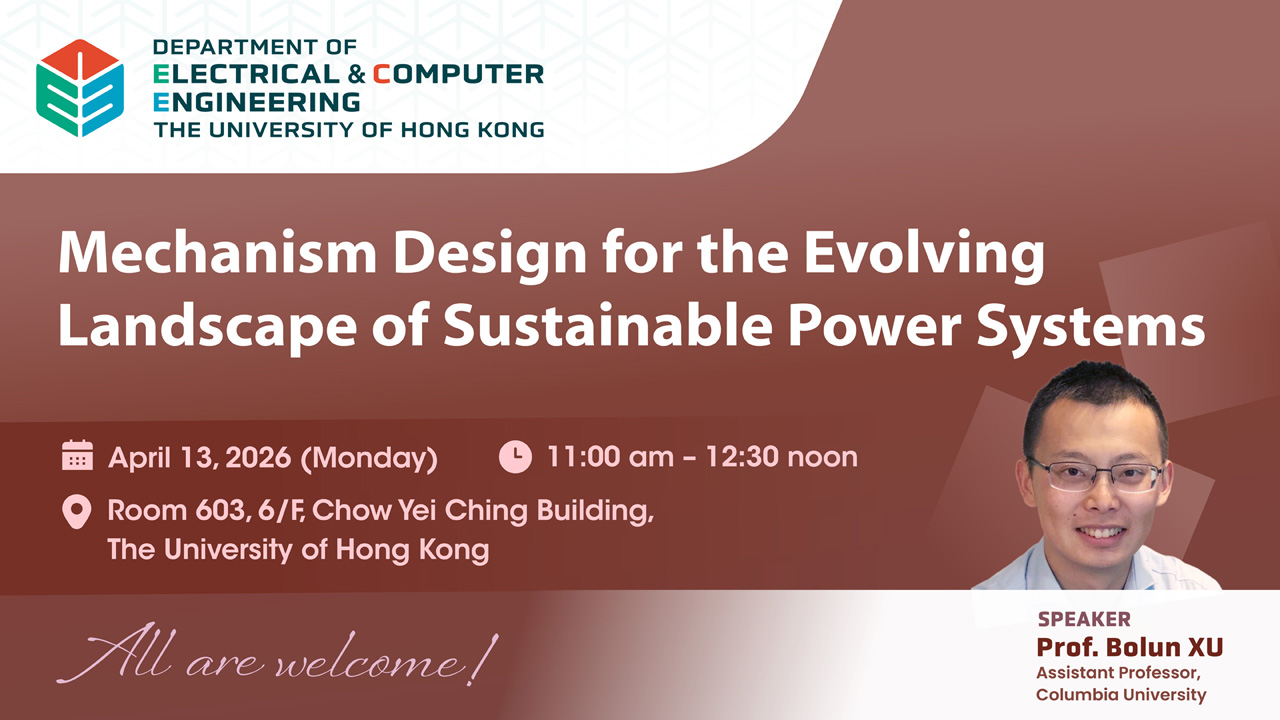
  • Seminar on Mechanism Design for the Evolving Landscape of Sustainable Power Systems

    Room CB-603, 6/F, Chow Yei Ching Building, The University of Hong Kong

    Abstract Modern power systems are undergoing rapid transformation driven by the integration of emerging technologies, diverse participants, and innovative business models. These changes offer unprecedented opportunities to enhance system reliability within existing infrastructure, reduce electricity costs, and accelerate renewable energy adoption. However, they also introduce complex market interactions that require rigorous analytical frameworks to ensure […]

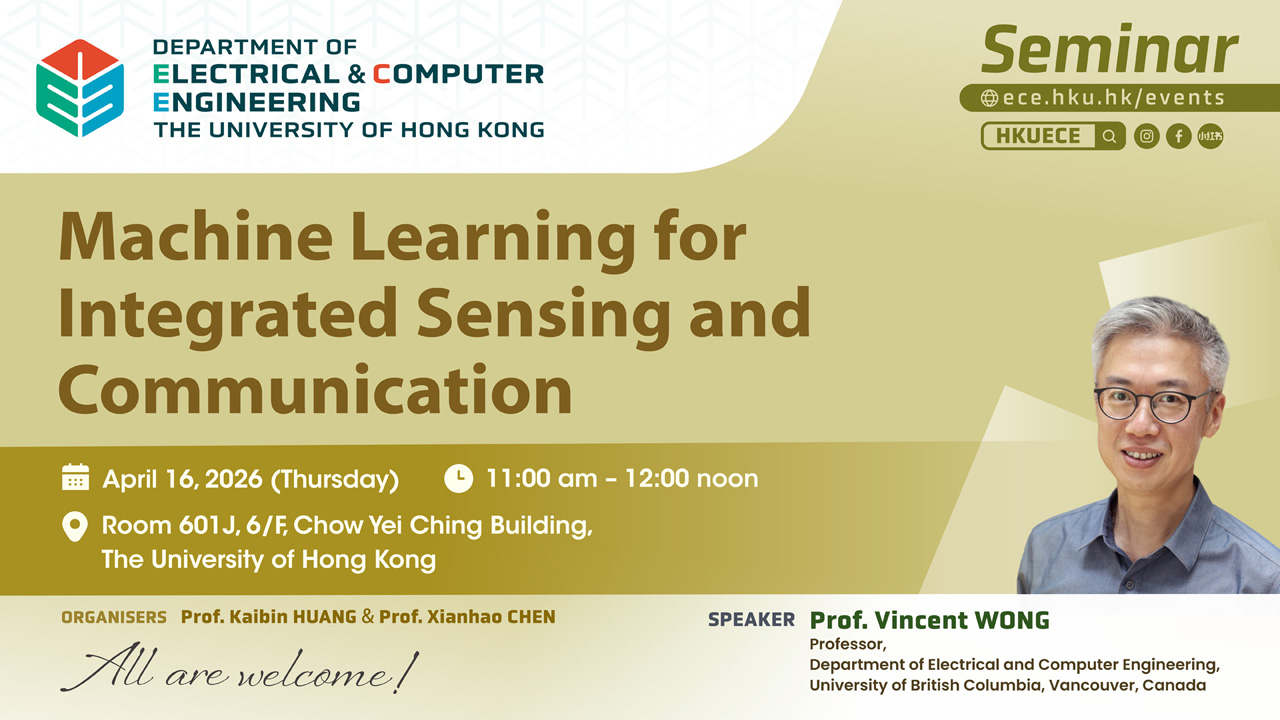
  • Seminar on Machine Learning for Integrated Sensing and Communication

    Room CB-601J, 6/F, Chow Yei Ching Building, The University of Hong Kong

    Abstract Integrated sensing and communication (ISAC) is a key technology for the sixth-generation (6G) wireless networks, where the same spectral and hardware resources are used for both communication and environmental sensing. Many optimization problems in ISAC require accurate sensing and communication channel models, which are often difficult to obtain. Machine learning (ML) is a powerful […]

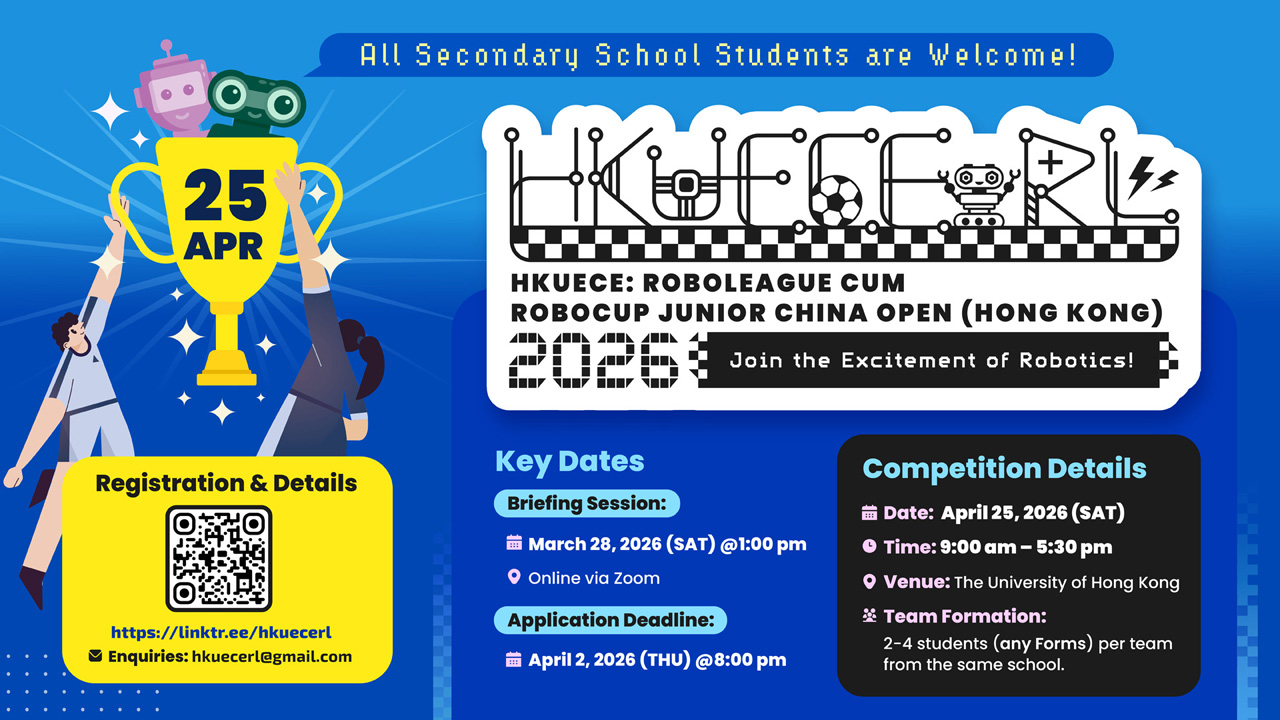
  • HKUECE: RoboLeague 2026 cum RoboCup Junior China Open (Hong Kong)

    *** Application deadline is on April 2, 2026 (Thursday) at 8:00 pm *** 🚀 Join the Excitement of Robotics! 🌟 Please stay tuned to event-day announcements for any schedule adjustments or important updates! 🤩 Competition Details 📅 Date: April 25, 2026 (Saturday) 🕒 Time: 9:00 am – 5:30 pm 📍Venue: The University of Hong Kong […]